

Due to a continual increase in carbon emissions, the ozone layer has depleted up to 60% in the Southern Hemisphere. Globally, from 1980 to 2006, there has been a 4% depletion. Now, 20 years later, conditions have worsened as the Earth is increasingly susceptible to the sun’s radiation. This summer, in vulnerable regions, heatwaves were coming in at 30°F higher than the average, with some areas experiencing the worst heatwaves on record. Heatwaves are continuous days of sustained hot weather day and night.
Heat has devastating effects on our natural environment, infrastructure and communities. The rate of elderly death due to heat related factors increased by 85% in between 2000-2004 and 2017-2021. Heat is one of the most pressing global health concerns of today. Not only does heat affect a population’s health, but it greatens the gender divide. The population the most affected and most susceptible to heat are women.
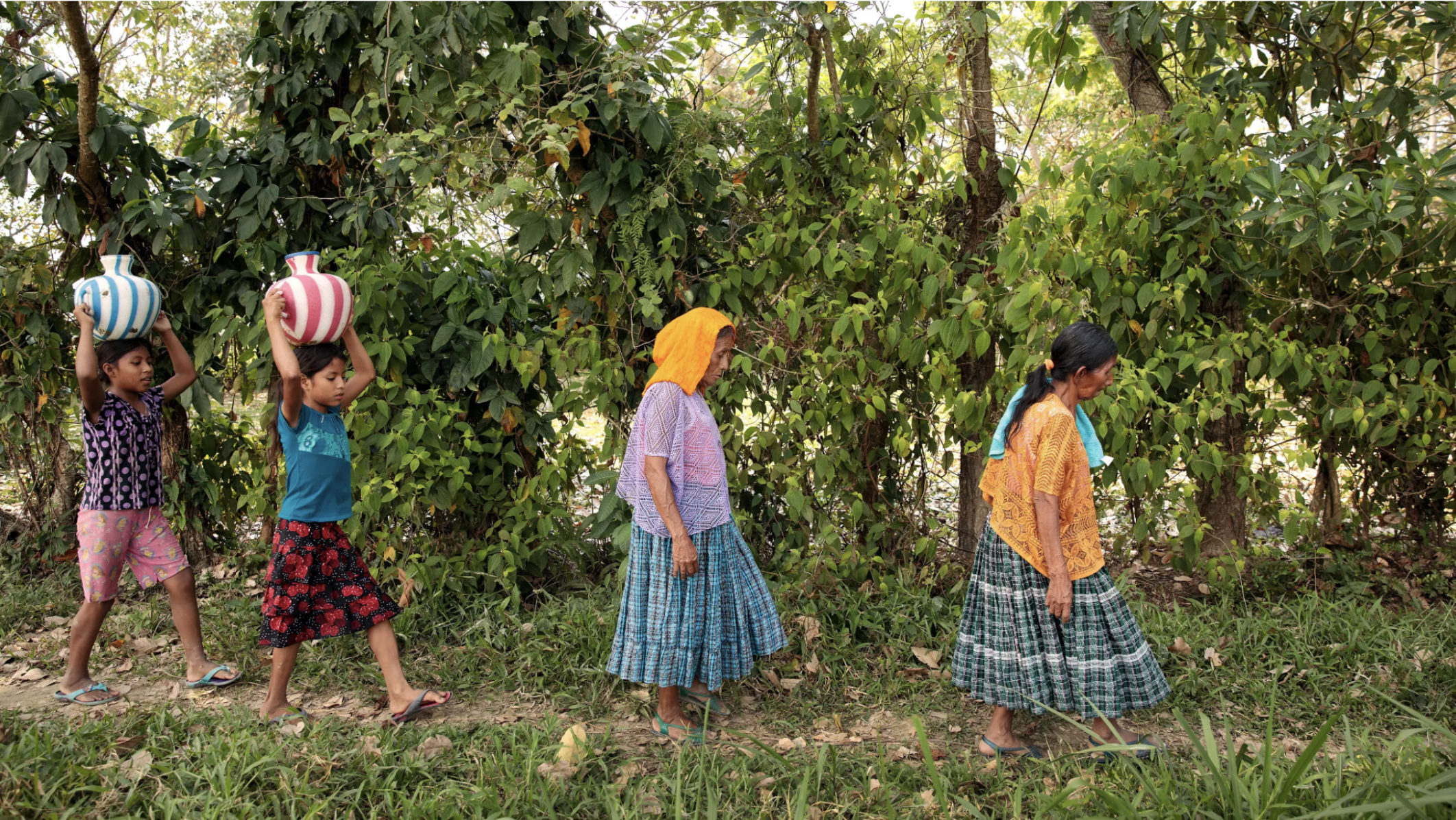
Overall, global warming is predicted to push 158 million more women and girls into extreme poverty. The responsibilities of unpaid labor are disproportionately placed on women. In lower income countries, unpaid labor is deeply affected by heat. For example, the collection of natural resources, with increased drought, women are forced to travel longer distances and work harder to find water, food and fuel. This strain is not only on women, but young girls, who have a higher chance of being removed from school to help with the increased workload.
Women are also more susceptible due to physiology. On average, women perspire less than men, making it harder for them to regulate heat internally. Women also tend to have smaller hearts and are more vulnerable to heat-related cardiovascular diseases.
The risk of heat related complications increases for pregnant women. In a 2020 analysis, birth complications were more frequently found in environments with higher temperatures. As well as higher instances of hypertension in mothers. Heat presents as a severe stressor on both the woman and child she is carrying. These findings are exacerbated in women with low socioeconomic support.
Global warming is creating an inhabitable world. Climate change not only devastates our ecosystems, but impacts the social, political and gender divide. Vulnerable communities are on the frontlines of global warming. Protecting our environment is protecting women and fighting against gender disparities.
By Kate Wisneskey ‘28
Featured Image by UN Women/Ryan Brown
Sources
Chersich, M. F., Pham, M. D., Areal, A., Haghighi, M. M., Manyuchi, A., Swift, C. P., Wernecke, B., Robinson, M., Hetem, R., Boeckmann, M., Hajat, S., & Climate Change and Heat-Health Study Group. (2020). Associations between high temperatures in pregnancy and risk of preterm birth, low birth weight, and stillbirths: Systematic review and meta-analysis. BMJ, 371, m3811. https://doi.org/10.1136/bmj.m3811
Extreme Heat. (2023, March 10). World Meteorological Organization. https://wmo.int/themes/extreme-heat
Heat and health. (n.d.). Retrieved July 26, 2026, from https://www.who.int/news-room/fact-sheets/detail/climate-change-heat-and-health
Laboratory (CSL), N. C. S. (n.d.). Scientific Assessment of Ozone Depletion 2022: Executive Summary. Retrieved July 26, 2026, from https://csl.noaa.gov/assessments/ozone/2022/executivesummary/
Progress on the Sustainable Development Goals: The Gender Snapshot 2025. (2024, September 16). UN Women – Headquarters. https://www.unwomen.org/en/resources/gender-snapshot
van Steen, Y., Ntarladima, A.-M., Grobbee, R., Karssenberg, D., & Vaartjes, I. (2019). Sex differences in mortality after heat waves: Are elderly women at higher risk? International Archives of Occupational and Environmental Health, 92(1), 37–48. https://doi.org/10.1007/s00420-018-1360-1









Be First to Comment