

In the ever-changing history of humanity, art is one thing we always create. At any moment, in any part of the world, art is being created. It is born out of joy and peace as well as pain, devastation, and suffering. It reflects the beliefs and emotions of its creators, and it exposes the thoughts of those around it.
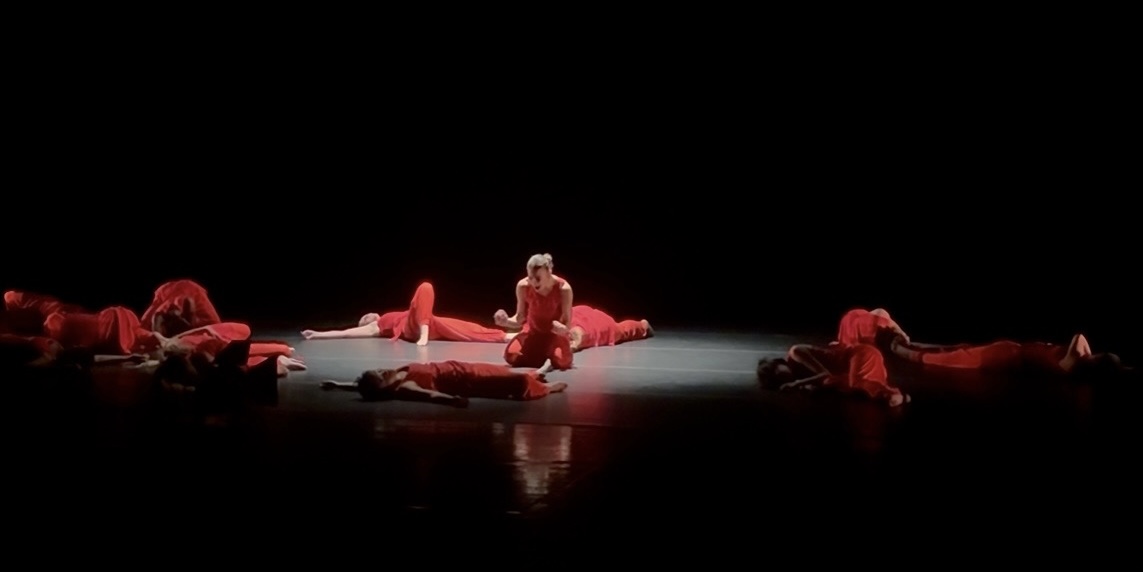
A guttural scream comes from the stage as the piece finishes. A lone dancer kneels, collapsed in the center of the stage after witnessing their fellow dancers fall, sprawled around, unmoving. A beat of silence before the audience erupts into applause. If you had the privilege of witnessing Stop “RED” Before It Stops You at the Goucher Repertory Dance Ensemble Concert, you may know the story behind this piece.
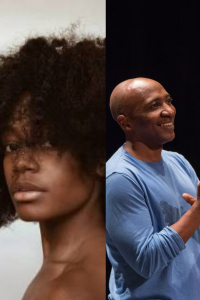
Choreographed by Assistant Professor of Dance at Goucher College Adjetey Klufio in conjunction with the dancers themselves, this piece shook the audience. For myself and many others, this was the first time we had heard of the crisis the piece was created in response to. When asked what her impression of the dance was, audience member Rileigh Ann Raspa said “It was heartbreaking and riveting and I keep replaying it in my mind over and over.” Another viewer said “[I’m] searching for words and can’t find any that truly encompass the way it made me feel as I was watching.”
A drug known as Red has begun circulating throughout multiple countries in West Africa, including Ghana, Nigeria, and Cote D’Ivoire. According to the BBC, two India-based companies, Aveo Pharmaceuticals and Westfin International, are behind the production and distribution of this illegal opioid. Ghana’s government is trying to mitigate the issue through border security and investigations. “More needs to be done… [but] I commend the government initiative.” says Klufio, expressing that although awareness campaigns and reactionary measures are important, the underlying issues of youth hopelessness and a lack of job prospects need to be addressed.
Red is often a combination of drugs, but is primarily tramadol-based. Tramadol is a pain-relieving opiate, and according to Radio France Internationale, when combined with muscle-relaxers or psychoactive stimulants, the result is loss of muscle control, mood disorders, memory problems, and decision-making issues.
When I interviewed Klufio about the dance and how it came about, he explained that he believes himself to be an advocate. Earlier this year, he was thinking of a dance about Red, and a dance about Yaa Asantewaa, a Ghanaian queen mother who led the fight against British colonizers in the 1800s. He had to decide between a story of woman empowerment and a story of addiction. Ultimately, he chose a piece of activism. “Red is something that is going on… it’s right now.” He went on to say, “Bringing it in this moment will serve the purpose… more than bringing something from the past.”
At the beginning of the creation and rehearsal process, Klufio set the expectations of the piece with the students: “The first day I went in, I spoke to them about the drug and what I intend to do and what I need from them….” He had them research the drug and bring back what they learned to share with each other at the following rehearsal. Acknowledging that this is a triggering topic for many, he said “They knew this was going to be a hard road for us all… it was not only about Red, but about addiction.”
One of the dancers, Nina Bouknight, spoke about the impact her research and this process had on how she moved within the given choreography. “I wasn’t aware of the [drug] in Ghana.” She said she “felt honored to embody that through dance… and to bring awareness to it.” She experienced throughout the rehearsal process that the dancers were both supported by their choreographer, and invited to improvise in certain moments and use their own creativity. “[Adjetey is] amazing to work with… I would love to do it again.”
This choreography demonstrates how art is a powerful avenue for activism. Audiences of people who were previously unaware of the opioid crisis in Ghana are now taking the time to think about it, discuss it with each other, and learn about it. If you ever have cause to speak out, art will project your voice beyond those already participating in the conversation.
By Elowyn Ingler ‘28
Featured Image Source: Jayce Taylor






When bodies carry pain, culture must speak. Red is a strong artistic response to drug abuse and its quiet destruction.